Overview
Starting CPAP therapy can feel overwhelming at first, but the vast majority of users see significant improvement in their sleep quality, energy levels, and overall health within the first one to two weeks. The key is patience, consistency, and knowing what to expect. These practical tips will help you get through the adjustment period and set you up for long-term success with your CPAP therapy.
Your First Night
Your first night with a CPAP machine will feel different from anything you have experienced before. That is completely normal. Here is what to expect and how to make it as smooth as possible:
- It will feel unusual: Wearing a mask connected to a machine that delivers pressurized air takes some getting used to. You might feel a slight claustrophobic sensation or find the airflow strange at first. This is a normal reaction and typically fades within the first few nights.
- Practice before bedtime: Before your first night, wear the mask for 30 to 60 minutes while watching TV, reading, or scrolling your phone. This helps you get accustomed to the feel of the mask and the sensation of pressurized air without the pressure of trying to fall asleep.
- Use the ramp feature: Your CPAP machine has a ramp function that starts at a very low pressure and gradually increases to your prescribed level over 15 to 30 minutes. This makes falling asleep much easier because you are not hit with full pressure immediately.
- You might wake up with the mask off:Many new users unconsciously remove the mask during the night. This is completely normal. Simply put it back on and continue sleeping. It does not mean CPAP is not working for you — your body just needs time to adjust.
- Make your room comfortable: A cool, dark, quiet room promotes better sleep. Make sure your bedside table has enough space for the machine and that the tubing can reach you comfortably in any sleeping position.
- Do not judge CPAP by one night: Your first night might be restless. That is expected. Most patients report noticeable improvement in daytime alertness by the end of the first week, even if the first couple of nights are challenging.
The Adjustment Period
The typical CPAP adjustment period is one to four weeks. During this time, your body is learning to sleep with continuous airflow, and your brain is readjusting to uninterrupted sleep cycles — something it may not have experienced in years.
Common Experiences During Adjustment
- Aerophagia (swallowing air): Some users experience bloating or gas in the first week. This usually resolves as you adjust. If it persists, your doctor may adjust the pressure settings or recommend EPR (Expiratory Pressure Relief).
- Mask marks on the face: Temporary marks from the mask cushion are normal when you wake up. They typically fade within 30 minutes. If marks persist or cause irritation, the mask may be too tight.
- Dry nose or mouth: The airflow can cause dryness. Using the heated humidifier will resolve this for most users.
- Difficulty exhaling: If the pressure feels too high when you breathe out, enable EPR (Expiratory Pressure Relief), which slightly reduces pressure during exhalation for a more natural breathing feel.
Building Compliance
Consistent use is the most important factor for CPAP success. The AASM defines adequate compliance as using CPAP for at least 4 hours per night on at least 70% of nights. Aim to use your CPAP every single night, gradually increasing your hours. Many users start with 4 to 5 hours and work up to a full night within 2 to 3 weeks. The more consistently you use it, the faster your body adjusts and the greater the health benefits.
Mask Comfort Tips
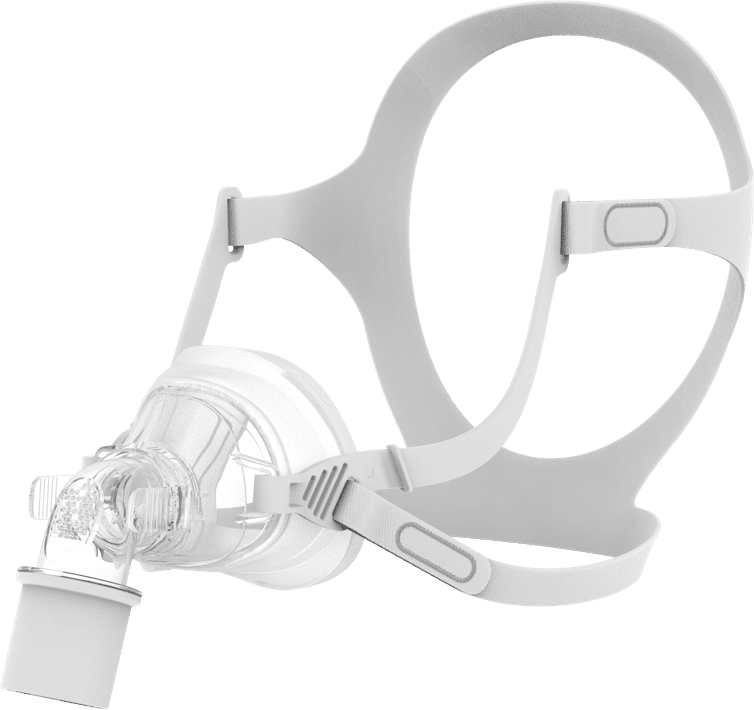
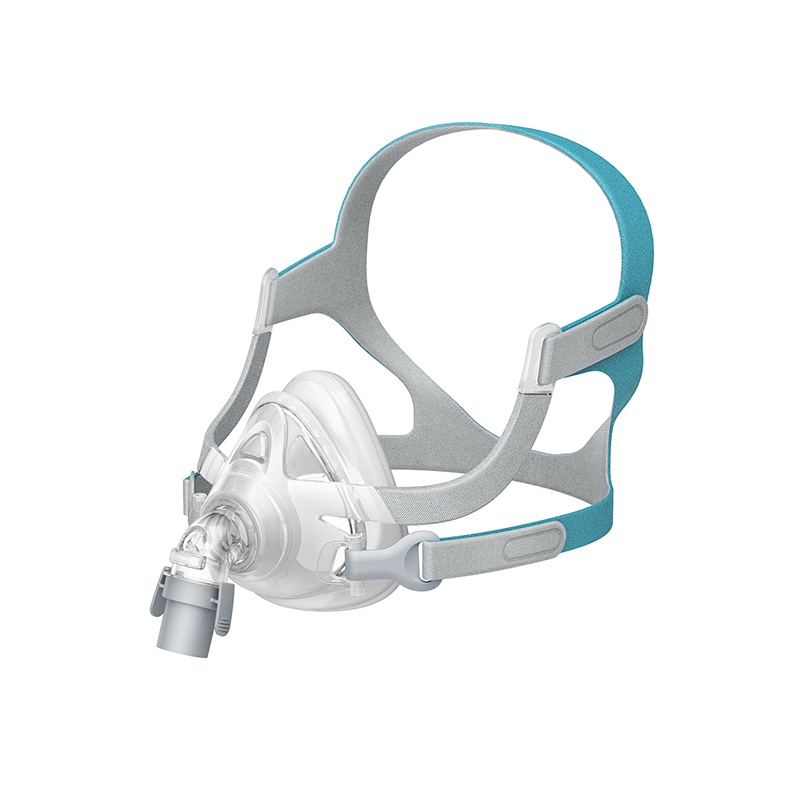
Your mask is the most important piece of equipment for a comfortable CPAP experience. Even the best machine will not help if your mask does not fit properly or causes discomfort. Here are proven tips for maximizing mask comfort:
- Do not over-tighten: This is the most common mistake new users make. A mask that is too tight actually causes more leaks (by distorting the cushion) and more skin irritation. Tighten just enough to create a gentle seal. If you can fit one finger between the strap and your face, the tension is about right.
- Fit the mask while lying down: Always adjust your mask in your usual sleeping position, not while sitting up. Your face shape changes slightly when you lie down, and fitting it upright can lead to leaks once you are in bed.
- Replace cushions regularly: Mask cushions wear out over time, losing their softness and seal integrity. Replace silicone cushions every 2 to 4 weeks for nasal pillows, and every 1 to 3 months for nasal or full face mask cushions.
- Try mask liners: Fabric liners placed between the mask cushion and your skin can reduce marks, absorb moisture, and improve comfort, especially if you have sensitive skin.
- Consider a different mask type: If persistent discomfort continues after 2 weeks of proper fitting, you may need a different mask type. Read our choosing a CPAP mask guide to explore nasal masks and full face masks.
Understanding Pressure Settings
CPAP therapy works by delivering a continuous stream of pressurized air to keep your airway open during sleep. Understanding the key pressure-related features will help you get the most from your device:
Auto-Adjusting Pressure (APAP)
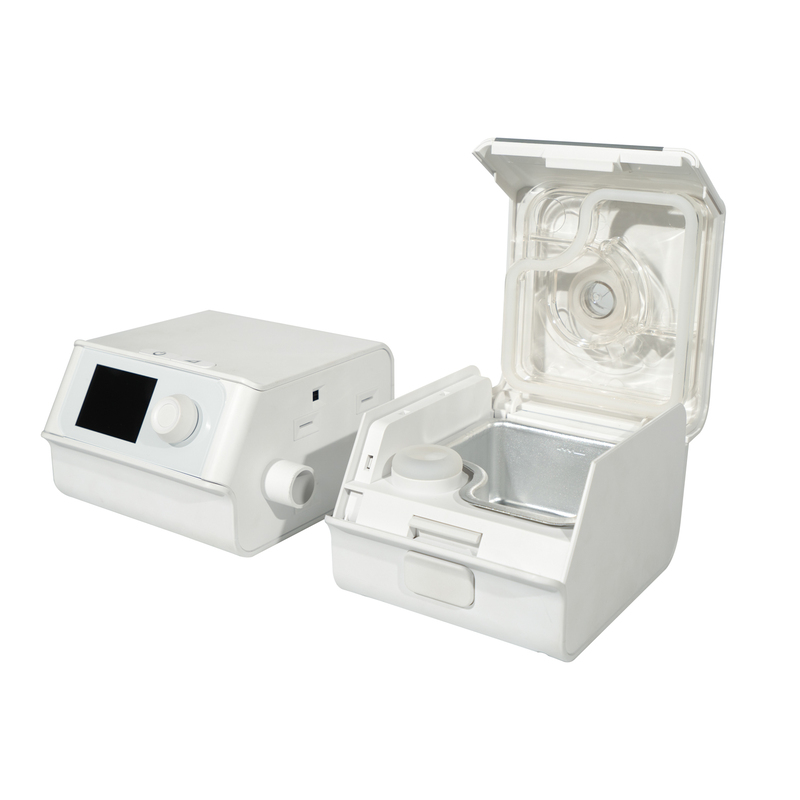
Our CPAP machine is an auto-adjusting device (APAP) that continuously monitors your breathing and adjusts the pressure breath by breath. It delivers lower pressure when your airway is stable and increases pressure only when it detects an obstruction or flow limitation. This means you always receive the minimum effective pressure, maximizing comfort without sacrificing therapeutic effectiveness.
Ramp Feature
The ramp feature starts the machine at a very low pressure (typically 4 cmH2O) and gradually increases to your therapeutic range over a period of 15 to 45 minutes. This allows you to fall asleep comfortably before the machine reaches full therapy pressure. Most new users find the ramp essential during the first few weeks.
EPR (Expiratory Pressure Relief)
EPR reduces the air pressure slightly when you exhale, making it easier and more natural to breathe out against the continuous airflow. EPR is available at three levels (1, 2, or 3 cmH2O of relief). If you find it difficult to exhale against the pressure, start with EPR set to 2 and adjust from there.
Important: Do not adjust your minimum and maximum pressure settings without consulting your doctor. These values are determined by your sleep study results and are set to ensure effective treatment. However, the ramp and EPR settings can generally be adjusted for comfort.
Using the Humidifier
A heated humidifier is one of the most important accessories for CPAP comfort, especially in Kuwait's air-conditioned indoor environments where the air can be very dry.
Why Humidity Matters
CPAP pushes a continuous stream of air through your nasal passages and throat. Without added moisture, this can cause dryness, congestion, nosebleeds, and sore throat — symptoms that make users want to stop therapy. A heated humidifier warms and moisturizes the air before it reaches your airways, dramatically reducing these side effects.
Best Practices
- Use distilled water: Distilled water prevents mineral buildup in the humidifier chamber and avoids releasing mineral particles into the air you breathe. In Kuwait, distilled water is available at most pharmacies and co-ops.
- Start at a medium humidity level: Set the humidifier to level 3 or 4 (out of 5 or 8, depending on your device) and adjust based on comfort. If you wake up with a dry nose or mouth, increase the level. If you notice water droplets in the tube, decrease it.
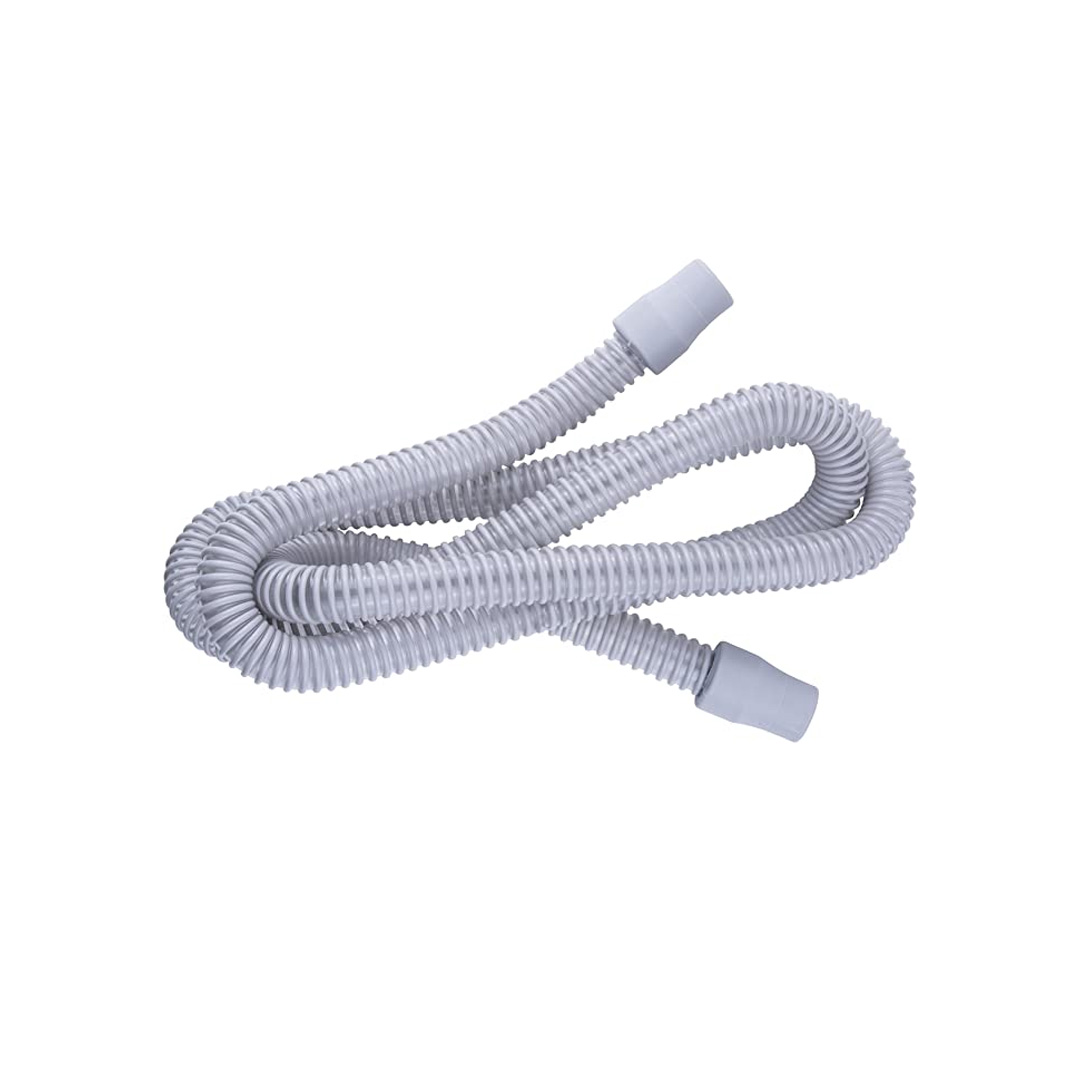
- Use heated tubing: A heated CPAP tube prevents condensation (known as “rainout”) that forms when warm humidified air cools in the tubing. Heated tubing maintains a consistent temperature throughout the delivery path.
- Clean the chamber daily: Empty the water chamber each morning and allow it to air dry. Wash it with warm water and mild dish soap weekly to prevent bacterial growth.
- Refill before bed: Always fill the chamber to the maximum line before each use to ensure consistent humidity throughout the night.
Traveling with CPAP
Do not skip your CPAP therapy when traveling. Even a few nights without treatment can bring back symptoms like snoring, daytime fatigue, and poor sleep quality. The good news is that modern CPAP machines are designed to be travel-friendly.
Flying with CPAP
- FAA and IATA approved: CPAP machines are classified as medical devices and are approved for use on all commercial flights. You can carry your CPAP as a carry-on item, and it does not count against your carry-on luggage allowance on most airlines.
- Never check your CPAP: Always carry it in the cabin with you. Checked luggage can be lost, delayed, or exposed to extreme temperatures that could damage the device.
- Airport security: Place your CPAP machine in a separate bin during security screening, similar to a laptop. TSA and most international security agencies are familiar with CPAP machines. You may want to carry a copy of your prescription for additional documentation, though it is rarely requested.
Travel Tips
- Compact and portable: Our CPAP machine is lightweight and compact, making it ideal for travel.
- Universal power:The device supports 100–240V input, so it works anywhere in the world. Bring a universal power adapter plug for the destination country's outlet type.
- Water for the humidifier: If distilled water is not available at your destination, bottled water is an acceptable temporary substitute. Avoid tap water, which can cause mineral buildup and may contain impurities.
- Use a travel case: A padded travel case protects your device from bumps and scratches during transport.
- Altitude adjustment: Auto-adjusting CPAP machines automatically compensate for altitude changes, so no manual adjustment is needed when flying to high-altitude destinations.
Troubleshooting Common Issues
Most CPAP issues have simple solutions. Use this quick-reference table to identify and resolve the most common problems new users encounter:
| Problem | Likely Cause | Solution |
|---|---|---|
| Mask leak (air blowing around eyes or out the sides) | Mask too loose, too tight, or wrong size | Re-adjust the straps while lying down. Loosen slightly if over-tightened. Verify you are using the correct cushion size. |
| Dry mouth | Mouth breathing or low humidity | Increase humidifier level. If you breathe through your mouth, consider a chin strap or switching to a full face mask. |
| Stuffy or congested nose | Dry air or nasal irritation | Increase humidifier setting. Use saline nasal spray before bed. Consult your doctor about nasal steroid sprays if congestion persists. |
| Pressure feels too high | Not using ramp or EPR | Enable the ramp feature so pressure starts low and increases gradually. Turn on EPR (start at level 2) for easier exhalation. |
| Noise from the machine | Mask leak, old filter, or vibration | Check for mask leak. Replace the air filter. Place the machine on a stable, flat surface (not on a towel or pillow which can block the air intake). |
| Skin marks or red spots | Mask too tight or dirty cushion | Loosen the straps slightly. Clean the cushion daily. Consider using a mask liner. If skin breaks down, stop using the mask and consult your provider. |
| Pulling the mask off during sleep | Discomfort, high pressure, or habit | Practice wearing the mask during the day. Use the ramp feature. Enable EPR. Try a different mask type if discomfort persists. |
| Water in the tube (rainout) | Humidity too high or temperature difference | Use heated tubing. Lower the humidity level slightly. Keep the machine at or below bed level so water drains back to the chamber, not toward your mask. |
| Bloating or gas | Swallowing air (aerophagia) | Sleep with your head slightly elevated. Enable EPR. If it persists, consult your doctor about adjusting the pressure range. |
For more detailed solutions, read our CPAP side effects and solutions guide. If issues persist after trying these solutions, do not hesitate to contact us on WhatsApp — we are here to help you succeed with your CPAP therapy.