Overview
CPAP side effects are common but almost always manageable. Most new users experience at least one issue during the first few weeks of therapy. According to the American Academy of Sleep Medicine (AASM), the majority of side effects resolve within one to two weeks with proper equipment adjustments and simple behavioral changes.
This guide covers the most frequently reported CPAP side effects alongside evidence-based solutions for each. If you are new to therapy, understanding these issues ahead of time will prepare you to address them quickly and stay committed to your treatment. Consistent use of CPAP remains the most effective therapy for obstructive sleep apnea, so working through early discomfort is well worth the long-term health benefits.
Dry Mouth
Dry mouth is one of the most common complaints among CPAP users. Studies published in the Journal of Clinical Sleep Medicine report that up to 40% of CPAP patients experience oral dryness, particularly during the first weeks of therapy. It is uncomfortable and can lead to sore throat, cracked lips, and even dental problems if left unaddressed.
Common Causes
- Mouth breathing — when you breathe through your mouth during sleep, pressurized air escapes and dries the oral tissues
- Air leak around the mask — a poorly sealed mask allows air to flow across the face and into the mouth
- Insufficient humidification — using CPAP without a humidifier, especially in arid climates like Kuwait, accelerates dryness
Solutions
- Use a heated humidifier — this is the single most effective solution. Heated humidification adds moisture to the pressurized air and significantly reduces dry mouth. The AASM recommends heated humidification for all patients reporting dryness.
- Use a chin strap to keep your mouth closed during sleep. This is especially helpful for nasal mask users who tend to mouth breathe.
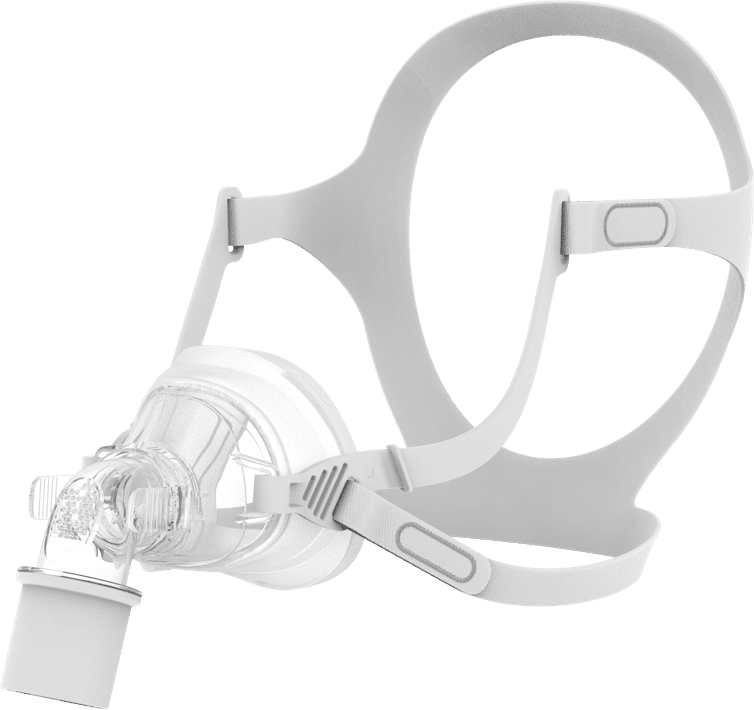
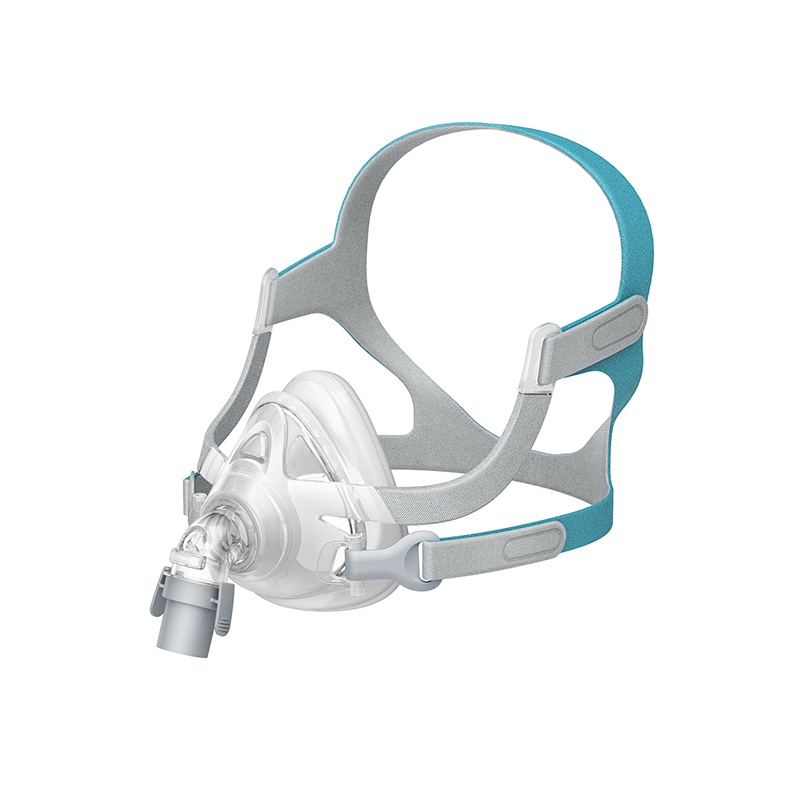
- Switch to a full face mask — if you consistently breathe through your mouth, a full face mask covers both the nose and mouth, delivering pressurized air regardless of how you breathe.
- Consider mouth tape (medical-grade) if you are a mild mouth breather and prefer to continue using a nasal mask. Consult your sleep physician before using this approach.
- Stay hydrated throughout the day and keep a glass of water by your bedside.
Nasal Congestion
Nasal congestion, stuffiness, and runny nose are frequently reported CPAP side effects. Mayo Clinic notes that the continuous flow of air through the nasal passages can trigger the nasal mucosa to produce excess mucus as a protective response. This is more common in dry environments and during seasonal changes.
Common Causes
- Dry air — pressurized air without adequate humidity irritates the nasal lining
- High pressure settings — excessive pressure can inflame sensitive nasal tissues
- Pre-existing allergies or rhinitis — CPAP can worsen existing nasal conditions
Solutions
- Use a heated humidifier — adding warm moisture to the air stream is the primary treatment recommended by the AASM for CPAP-related nasal symptoms
- Use saline nasal spray or a saline rinse before bed to moisturize the nasal passages
- Check your mask fit — air leaking near the bridge of the nose can blow directly into the eyes and irritate the sinuses
- Talk to your doctor about a nasal steroid spray if congestion persists despite humidification
- Increase the humidity setting on your machine gradually until symptoms resolve
Mask Leak
Mask leak occurs when pressurized air escapes around the edges of the mask cushion instead of entering the airway. Some degree of leak is normal and accounted for in CPAP design (intentional exhaust ports), but excessive unintentional leak reduces therapy effectiveness, causes dry eyes, noise, and disrupted sleep for both you and your bed partner.
Common Causes
- Wrong mask size — a mask that is too large or too small will not seal properly
- Worn-out cushion — silicone cushions degrade over time and lose their ability to create a seal
- Over-tightening headgear — paradoxically, pulling the straps too tight distorts the cushion shape and worsens leaks
- Sleep position changes — moving during sleep can shift the mask off center
Solutions
- Refit your mask — lie down in your sleeping position and adjust the mask while the machine is running to find the optimal position
- Replace worn cushions according to the manufacturer schedule (typically every 1 to 3 months)
- Loosen the headgear slightly — the mask should be snug but not tight. You should be able to fit one or two fingers under the straps.
- Try a different mask type — if leak persists, the mask style may not suit your face shape. Explore our nasal mask or full face mask options.
- Check your CPAP data — most modern machines track leak rate. If your average leak exceeds 24 liters per minute, address the issue promptly.
Skin Irritation
Skin irritation from CPAP therapy can range from mild redness and pressure marks to more severe breakouts or allergic reactions. These issues most commonly appear on the bridge of the nose, cheeks, and forehead where the mask contacts the skin. According to Mayo Clinic, proper mask hygiene and fit adjustments resolve most skin-related complaints.
Common Causes
- Pressure marks — the mask pressing too firmly into the skin, especially when over-tightened
- Allergic reaction to silicone — a small percentage of users are sensitive to standard silicone cushions
- Dirty mask — facial oils, dead skin cells, and bacteria accumulate on the cushion and cause breakouts
- Moisture trapped under the mask — sweat and humidity can create an environment for skin irritation
Solutions
- Loosen the headgear straps — the most common cause of pressure marks is simply wearing the mask too tightly
- Use a mask liner or barrier pad — these soft fabric barriers sit between the mask and your skin, reducing friction and absorbing moisture
- Clean your mask cushion daily with warm water and a mild, fragrance-free soap. This removes oils and bacteria that cause breakouts. See our CPAP Cleaning Guide for a complete routine.
- Try a gel cushion mask — gel cushions distribute pressure more evenly and may be more comfortable for users with sensitive skin
- Wash your face before bed — removing excess oils helps the mask create a better seal without excessive tightening
- If you suspect a silicone allergy, consult your dermatologist. You may need a hypoallergenic mask material.
Bloating & Aerophagia
Aerophagia is the medical term for swallowing air, and it is a recognized side effect of positive airway pressure therapy. Patients experiencing aerophagia often report stomach bloating, excessive gas, belching, and abdominal discomfort, especially in the morning. The AASM notes that aerophagia is more common at higher pressure settings.
Common Causes
- Pressure set too high — excessive air pressure forces air into the esophagus and stomach instead of the airway
- Mouth breathing — breathing through the mouth can direct air flow toward the esophagus
- Sleeping position — sleeping on your back may increase air swallowing
Solutions
- Talk to your sleep physician about lowering the pressure setting. Even a small reduction of 1-2 cmH2O can eliminate aerophagia for many patients.
- Switch to an APAP (auto-adjusting) machine — APAP devices automatically lower the pressure when full pressure is not needed, which significantly reduces air swallowing. Our CPAP machine features auto-adjusting pressure.
- Use the ramp feature — this starts pressure at a low level and gradually increases to the prescribed setting as you fall asleep, reducing initial air swallowing
- Sleep with your head elevated — elevating the head of your bed by 10 to 15 degrees can reduce air entering the stomach
- Avoid eating large meals or carbonated drinks within 2 to 3 hours of bedtime
- If your machine has an EPR (Expiratory Pressure Relief) feature, enable it. EPR reduces pressure during exhalation and can decrease aerophagia.
Claustrophobia
Feeling anxious or claustrophobic when wearing a CPAP mask is a significant barrier to therapy adherence. Research published in Sleep Medicine Reviews found that claustrophobia-related mask intolerance affects approximately 15-20% of new CPAP users. The good news is that gradual desensitization and proper mask selection resolve this issue for the majority of patients.
Solutions
- Practice wearing the mask during the day — put on the mask while watching television or reading. Start with just 10 to 15 minutes and gradually increase the duration. This builds familiarity and reduces anxiety.
- Try a nasal pillow mask — nasal pillows have the smallest footprint of any CPAP mask. They sit at the entrance of the nostrils with no coverage over the bridge of the nose or cheeks, making them the best option for claustrophobia-prone users.
- Use gradual acclimation — start by holding the mask to your face without the headgear. Next, wear it with headgear but without turning on the machine. Then turn on the machine at a low pressure. Progress step by step over several days.
- Practice relaxation techniques — deep breathing, progressive muscle relaxation, or guided meditation before bed can calm anxiety associated with mask use
- Use the ramp feature — starting at a low pressure and ramping up slowly feels less overwhelming than immediate full pressure
- Read our guide to choosing a CPAP mask to compare mask types and find the least intrusive option for your needs
Noise
Noise from CPAP machines was a legitimate complaint a decade ago, but modern devices have improved dramatically. Current-generation machines operate at sound levels below 28 decibels, which is quieter than a whisper. Our CPAP machine is designed to be whisper-quiet, producing minimal noise even at higher pressure settings.
Common Causes of Noise
- Mask leak — the most common source of CPAP noise is air escaping around the mask cushion, creating a hissing or whistling sound
- Loose connections — an improperly connected tube or a cracked tube can produce rattling or whistling noises
- Dirty or clogged filter — a dirty filter forces the motor to work harder, increasing operational noise
- Machine placement — placing the machine on a hard surface or near a wall can amplify vibrations
Solutions
- Check your mask fit — tighten or reposition the mask to eliminate leak-related hissing
- Inspect the tube for holes or cracks and ensure all connections are secure
- Replace the air filter regularly — a clean filter ensures smooth, quiet airflow
- Place the machine on a soft surface such as a towel or rubber mat to absorb vibrations
- Position the machine below bed level — this reduces the chance of tube pull and also dampens sound
- If your bed partner is bothered by residual sound, consider using a white noise machine or earplugs
When to Call Your Doctor
While most CPAP side effects are mild and resolve with the adjustments described above, certain symptoms warrant prompt medical attention. Do not ignore the following signs:
- Persistent chest pain or discomfort — chest pain during CPAP use could indicate a serious cardiac or respiratory issue. Stop using the machine and seek medical evaluation immediately.
- Severe skin reaction — widespread rash, blistering, or swelling around the mask area may indicate an allergic reaction requiring medical treatment
- Inability to tolerate the mask after 2 to 4 weeks — if you have tried multiple adjustments and still cannot use your CPAP consistently, speak to your sleep specialist. Alternative pressure settings, mask types, or therapy modes may be needed.
- The pressure feels wrong — if the air pressure feels too strong, too weak, or if you feel like you are suffocating, your settings may need adjustment by your physician. Never change pressure settings on your own.
- Recurring nosebleeds — frequent nosebleeds that do not improve with humidification may indicate an underlying nasal condition
- New or worsening headaches — morning headaches can indicate mask leak or incorrect pressure settings and should be evaluated
- Persistent ear pain or sinus infections — these can result from pressure-related issues or a dirty CPAP system and require medical attention
Sleep Centers in Kuwait
Kuwait has several specialized sleep medicine centers where you can receive professional support for CPAP-related issues. The Chest Diseases Hospital (Jaber Al-Ahmad), Al-Razi Hospital, and several private hospitals including Dar Al-Shifa and Hadi Hospital have sleep medicine clinics staffed by board-certified sleep specialists. If you are struggling with CPAP therapy, a follow-up visit with your sleep physician can make a significant difference. Read our Sleep Test in Kuwait guide for a full directory of sleep centers.
Remember: the benefits of consistent CPAP therapy far outweigh the temporary discomfort of side effects. Most issues are resolved within the first two weeks. Stay committed, make adjustments as needed, and do not hesitate to ask for professional help.